
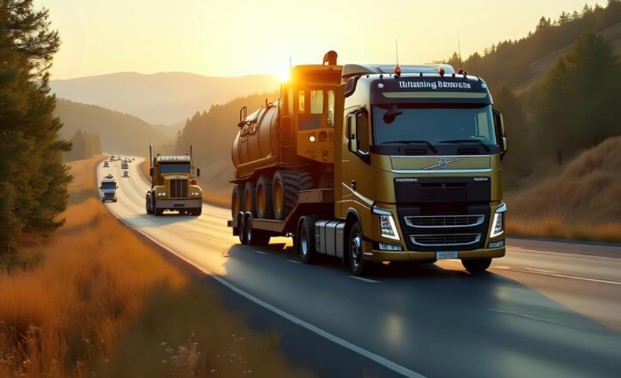

Oversized freight transportation is one of the most challenging tasks in the logistics industry. It involves moving loads that are too large, too heavy, or too complex for standard shipping methods. These shipments may include construction equipment, industrial machines, wind turbine parts, or large structural components. To manage these difficult operations, heavy haul trucking companies use special planning, equipment, and safety practices to ensure every load reaches its destination safely and on time.
Careful Planning Before Every Move
Before any oversized load is transported, detailed planning is essential. Heavy haul trucking companies start by studying the size, weight, and shape of the freight. This helps them decide the best type of trailer, route, and permits required for the journey.
Route planning is especially important because oversized loads cannot travel on all roads. Low bridges, narrow lanes, sharp turns, and weight-restricted roads must all be avoided. Companies often use mapping tools and field surveys to choose a safe and efficient route. In many cases, they also coordinate with local authorities to ensure road access and compliance with regulations.
Specialized Equipment for Heavy Loads
Standard trucks and trailers are not suitable for oversized freight. That is why heavy haul trucking companies rely on specialized equipment designed for extreme weight and size. This includes extendable trailers, multi-axle configurations, lowboy trailers, and modular transport systems.
These trailers are built to distribute weight evenly, reducing stress on roads and bridges. Some equipment also has hydraulic systems that help adjust height and balance during loading and unloading. By using the right equipment, companies ensure that even the heaviest cargo can be transported safely without damaging infrastructure or the freight itself.
Safety Measures During Transportation
Safety is the top priority in oversized freight transport. Drivers handling these loads are highly trained and experienced in managing difficult road conditions. They follow strict speed limits and driving guidelines to maintain control of the vehicle at all times.
In many cases, escort vehicles are used to guide and protect the oversized load. These escort vehicles help warn other drivers, manage traffic, and ensure clear communication along the route. This reduces the risk of accidents and keeps both the cargo and the public safe.
Heavy haul trucking companies also regularly inspect their vehicles before and during trips. Brakes, tires, hydraulic systems, and load restraints are carefully checked to prevent mechanical failures.
Legal Permits and Compliance
Transporting oversized freight is not just about driving from one place to another. It also requires legal approval from transportation authorities. Heavy haul trucking companies must obtain special permits for each journey. These permits specify the route, travel time, and safety conditions.
Compliance with local, state, or national regulations is very important. In some cases, transportation is only allowed during specific hours to reduce traffic disruption. Companies must also follow weight limits and safety standards to ensure responsible operation.
Technology for Tracking and Coordination
Modern logistics relies heavily on technology. GPS tracking systems allow companies to monitor shipments in real time. This helps ensure that the freight is moving according to plan and allows quick responses if any issues arise.
Communication systems also play a key role. Drivers, dispatch teams, and escort vehicles stay in constant contact throughout the journey. This coordination improves efficiency and helps prevent delays or safety risks.
Conclusion
Transporting oversized freight is a complex process that requires precision, experience, and strong safety measures. Heavy haul trucking companies use careful planning, specialized equipment, trained drivers, and advanced technology to manage these challenges effectively. By following strict regulations and maintaining constant communication, they ensure that even the largest and heaviest loads are delivered safely and efficiently.