
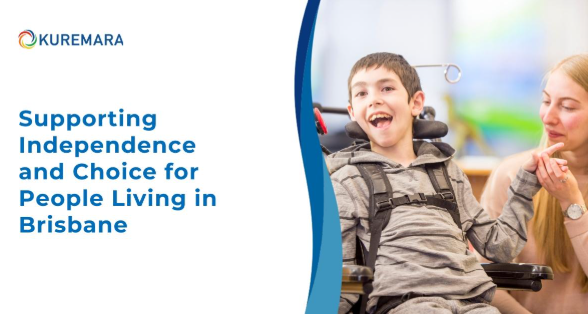

Living a fulfilling life means having the right support at the right time — support that respects individuality, encourages independence, and adapts as needs change. In Brisbane, people living with disability and their families are increasingly seeking services that go beyond basic care and instead focus on empowerment, dignity, and long-term wellbeing.
Navigating disability support can feel overwhelming, particularly when balancing funding, accommodation, daily living needs, and future goals. Understanding how supports work, what options are available, and how services align with personal circumstances can make a significant difference in outcomes.
This blog explores how modern disability support services operate in Brisbane, the types of assistance available, and how individuals can make informed choices that support independence, stability, and quality of life.
Understanding Disability Support in a Growing City
Brisbane is one of Australia’s fastest-growing cities, bringing with it a diverse population and increasing demand for personalised support services. Disability support today is no longer centred on one-size-fits-all solutions. Instead, it prioritises flexibility, choice, and participant-led decision-making.
Many individuals and families begin their journey by searching for an ndis provider Brisbane that can offer both structure and adaptability. The right support framework should not only meet current needs but also evolve as goals, abilities, and circumstances change.
Modern disability services often integrate multiple support streams — from in-home assistance and community participation to accommodation and skill development — ensuring continuity of care without unnecessary complexity.
Everyday Support That Builds Confidence and Skills
Daily living support forms the foundation of independence. This type of assistance helps individuals manage routines while gradually building confidence and capability.
Support may include:
- Personal care and hygiene assistance
- Meal preparation and household tasks
- Medication prompts and wellbeing checks
- Assistance with daily planning and routines
Access to reliable disability services Brisbane allows participants to maintain stability while working toward greater autonomy. Importantly, effective support focuses on capability building rather than dependency, encouraging individuals to take control of their day-to-day lives at a pace that suits them.
Community Participation and Social Inclusion
True independence extends beyond the home. Social connection, community involvement, and meaningful activities are essential for emotional wellbeing and personal growth.
Community participation support can include:
- Attending social groups or hobby programs
- Volunteering or supported employment pathways
- Recreational and cultural activities
- Skill-building programs that promote confidence
By facilitating access to community life, participants are better able to develop relationships, discover interests, and feel connected to the world around them.
Supported Living and Accommodation Options
 For some individuals, independent living requires structured accommodation with consistent support. Supported living environments are designed to balance safety with personal freedom, allowing residents to live in homes that feel comfortable, secure, and empowering.
Many families explore accommodation models supported by SIL providers Brisbane when a person requires daily assistance while still wanting privacy, routine, and personal space. These arrangements typically support:
- Shared or individual living environments
- Assistance with daily activities
- Development of life skills
- Stable routines and long-term housing security
Well-designed supported living helps individuals feel at home rather than institutionalised, which is crucial for long-term wellbeing.
Coordination and Planning Support
Managing funding, services, and appointments can be complex. Support coordination plays a vital role in helping individuals understand their plans, connect with appropriate services, and adapt supports as needs change.
Effective coordination ensures:
- Funding is used appropriately and strategically
- Services align with personal goals
- Transitions are managed smoothly
- Participants feel informed and supported
This guidance is especially valuable during life changes such as moving home, adjusting support levels, or exploring new opportunities.
Building Independence Through Life Skills
Life skills development is a key element of long-term independence. Support programs often focus on:
- Budgeting and money management
- Cooking and nutrition
- Time management
- Communication and decision-making
These skills empower individuals to take greater control of their lives and reduce reliance on supports over time. Progress is individual and should always be guided by the participant’s comfort and aspirations.
A Participant-Centred Approach to Care
At the heart of quality disability support is a participant-centred philosophy. This means:
- Listening to individual preferences
- Respecting cultural, personal, and lifestyle choices
- Adapting support as goals evolve
- Encouraging self-advocacy
When individuals feel heard and respected, support becomes a partnership rather than a service transaction.
About Kuremara
Kuremara is a registered NDIS provider delivering personalised disability support services across Brisbane and other regions. The organisation focuses on supporting individuals through tailored care models that promote independence, dignity, and meaningful participation in everyday life. With a strong emphasis on person-centred planning, Kuremara works closely with participants and families to ensure supports align with individual goals, routines, and long-term aspirations.
Supporting Families and Carers
Families and informal carers play a critical role in a person’s support network. Quality services recognise this by:
- Maintaining open communication
- Involving families in planning where appropriate
- Providing respite and guidance
- Supporting long-term sustainability of care
When families feel supported, outcomes for participants improve significantly.
Safety, Trust, and Quality Standards
Trust is essential in disability support. Strong service frameworks prioritise:
- Consistent staffing and clear communication
- Safe, respectful environments
- Transparent processes
- Ongoing quality improvement
These principles ensure participants feel secure and confident in their supports.
Preparing for the Future
Disability support is not static. As individuals grow, change, and set new goals, their support needs may shift. Forward-thinking services help participants:
- Plan for transitions
- Build independence gradually
- Adjust supports proactively
- Maintain stability during change
Future-focused planning allows individuals to pursue opportunities while maintaining continuity of care.
Conclusion
Disability support in Brisbane is evolving toward more personalised, flexible, and empowering models. By understanding available services, prioritising choice and control, and working with providers who value dignity and independence, individuals can build lives that reflect their goals and strengths.
Whether the focus is daily living, community participation, supported accommodation, or long-term planning, the right support can create pathways to confidence, stability, and meaningful independence. With informed decisions and participant-centred care, individuals and families can move forward with clarity and confidence.